New 3D Mesh Engine Improves Photogrammetry for Cultural Heritage
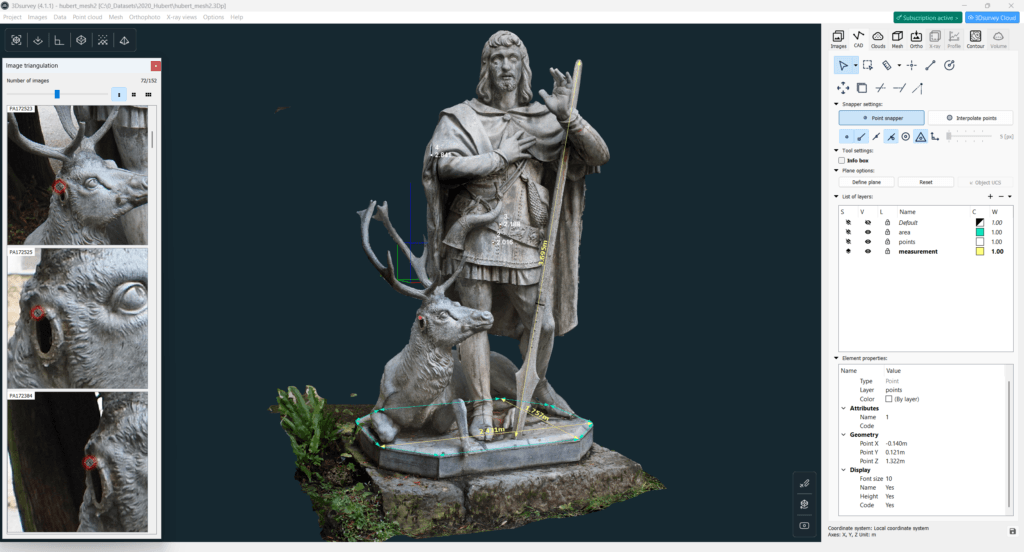
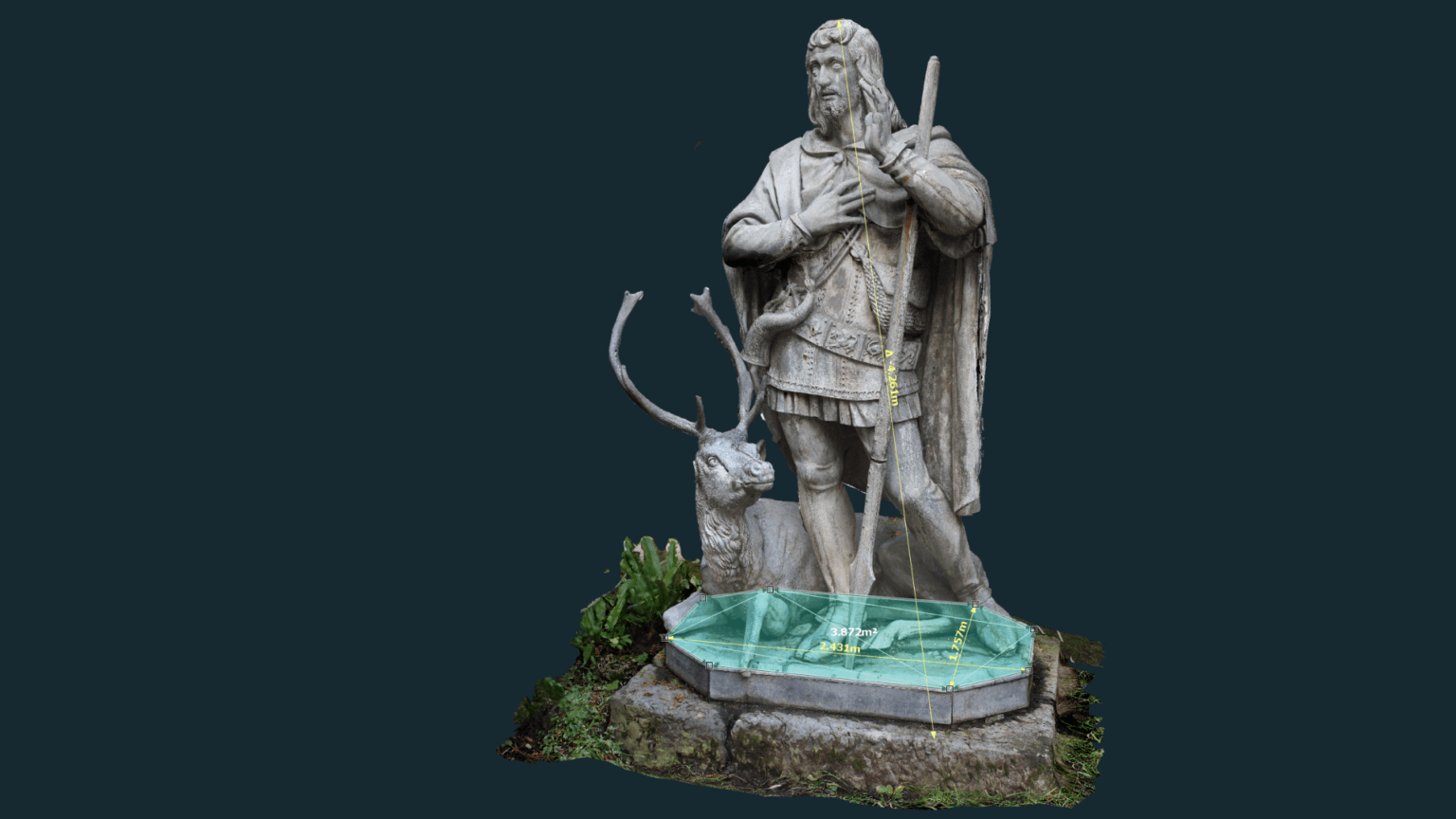
When we first documented the St. Hubert statue at Bistra Castle in Slovenia in 2020, the goal was simple: create an accurate 3D model from photographs to support cultural heritage documentation, preservation, and potential restoration.
Using nothing more than a standard digital camera and 3Dsurvey, we transformed a series of handheld photographs into a detailed digital reconstruction through photogrammetry.
Six years later, we revisited the exact same dataset. This time we processed it with the completely rebuilt 3D mesh engine introduced in 3Dsurvey 4.0.
The results show just how much our engine has improved.
Reprocessing an old dataset with new mesh and enriched CAD engine
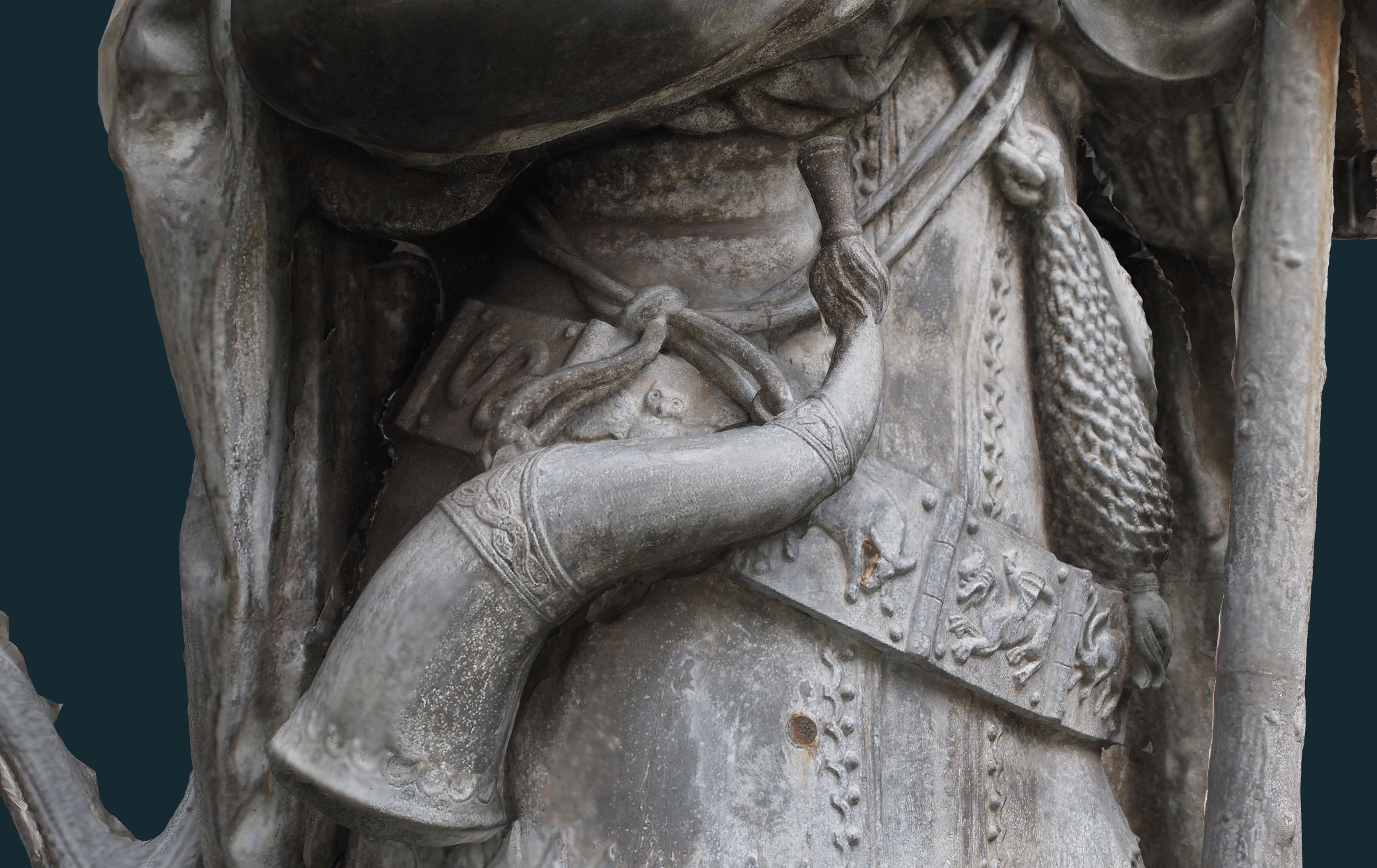
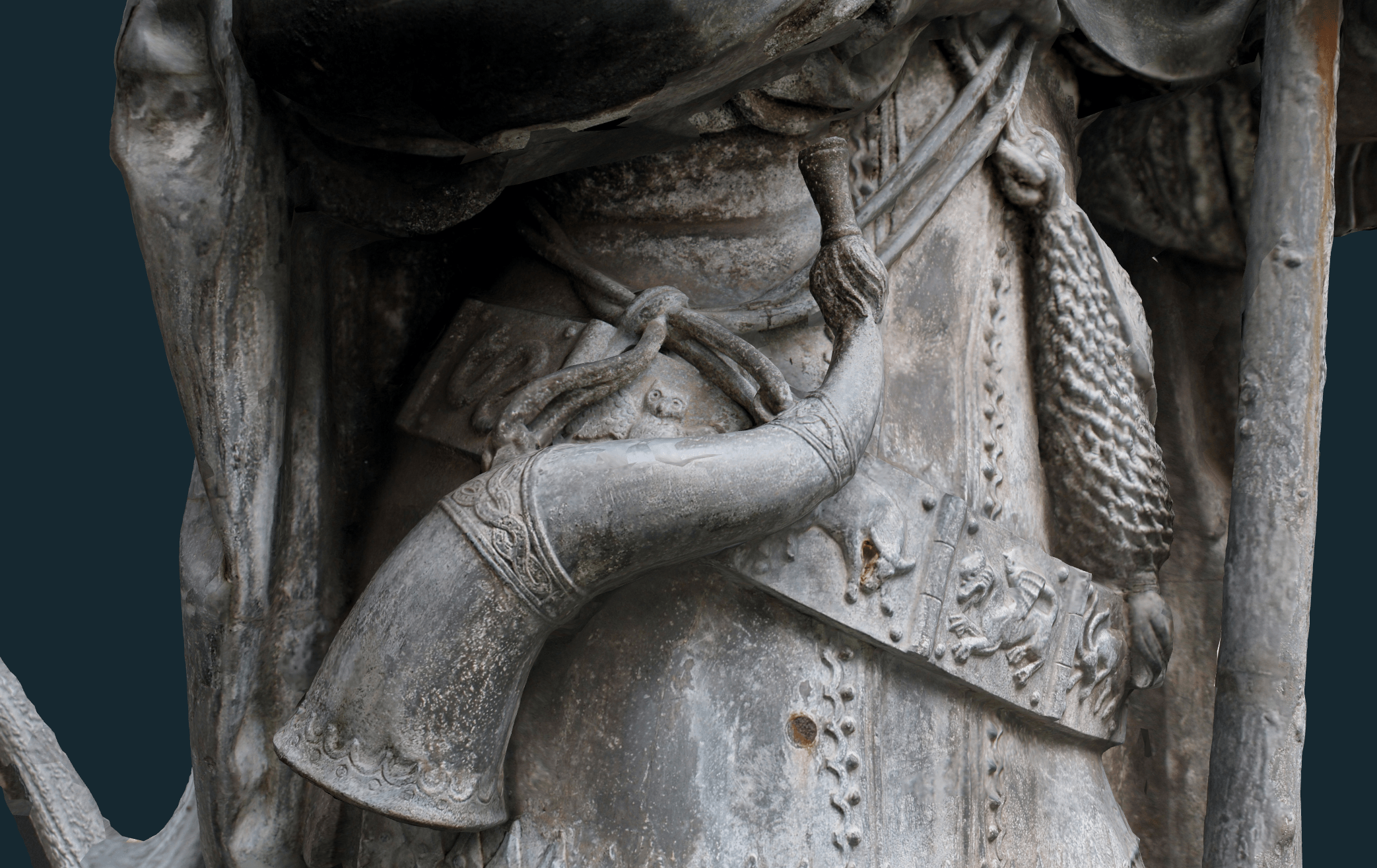
The Same Photos. A Sharper 3D Mesh.
One of the best ways to evaluate improvements in photogrammetry software is to process the same dataset using updated reconstruction technology.
Because the original photographs remained unchanged, every visible improvement comes from the new 3D mesh engine rather than new field data.
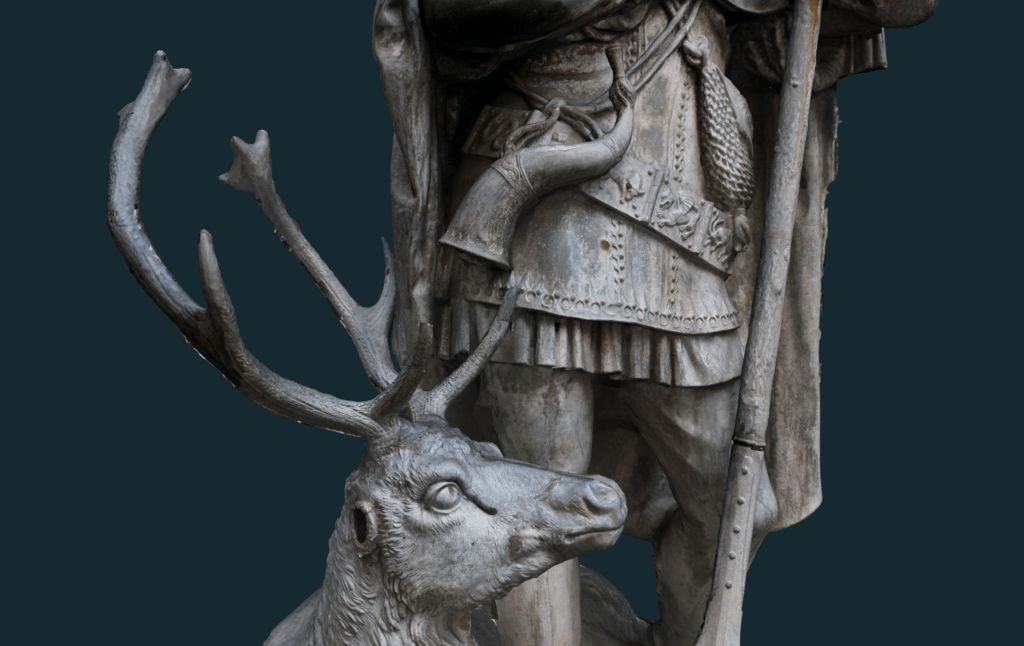
The updated reconstruction captures finer details across the statue, produces cleaner surfaces, and preserves sharp edges with much greater accuracy. Features that previously appeared softer are now more clearly defined, creating a 3D model that is closer to the original monument.
This side-by-side comparison demonstrates how advances in 3D reconstruction algorithms can unlock more value from existing datasets.
Built for Better Photogrammetry Results
The new 3D mesh engine in 3Dsurvey 4.0 was rebuilt using state-of-the-art algorithms designed to improve detail extraction while minimizing unwanted noise.
The improvements include:
Sharper edges without the typical “ballooning” effect.
Better reconstruction of thin objects and fine geometric details.
Smoother, more accurate surfaces on low-texture materials.
Cleaner geometry that provides a stronger foundation for orthophotos, CAD drawings, profiles, and volume calculations.
For professionals working with photogrammetry, these improvements extend well beyond visual quality. A cleaner 3D mesh means less manual editing, more reliable measurements, and faster project delivery.
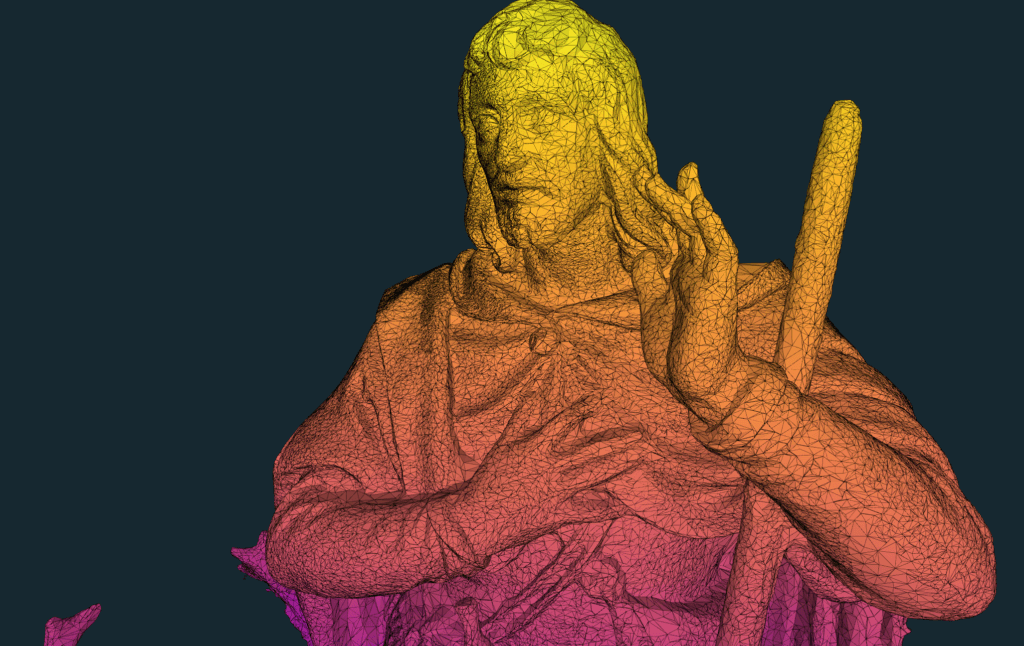
New 3D mesh and heightmap
Why It Matters for Cultural Heritage Documentation
Photogrammetry for cultural heritage has become one of the most accessible methods for creating accurate digital records of monuments, sculptures, and historic sites.
Whether the goal is long-term preservation, restoration planning, or creating a digital archive, the quality of the underlying 3D mesh directly affects the value of the final deliverables.
The St. Hubert statue is an excellent example. Although the original project already produced a high-quality 3D reconstruction, processing the dataset with today’s algorithms reveals noticeably more detail without requiring additional photography.
For museums, conservation specialists, surveyors, and heritage professionals, this means existing photogrammetry datasets may still have untapped potential.
Ground Control Points: 3 (local coordinate system)
Area of interest: Approximately 5 × 5 metres
Despite the simplicity of the data acquisition, the new 3D mesh engine extracts significantly more detail from the same photographs than was possible when the project was first processed in 2020.
A Reason to Revisit Your Existing Photogrammetry Projects
Advances in photogrammetry software aren’t just improving new projects, they’re improving old ones too.
If you have datasets that were processed several years ago, it’s worth taking another look. With the new 3D mesh engine in 3Dsurvey 4.0, existing photographs can produce cleaner geometry, sharper detail, and more accurate 3D models than ever before.
Sometimes, the biggest improvement doesn’t come from collecting new data. It comes from giving your existing photogrammetry projects a second life with better reconstruction technology.